Your Hierarchical scale in egyptian art images are available in this site. Hierarchical scale in egyptian art are a topic that is being searched for and liked by netizens today. You can Get the Hierarchical scale in egyptian art files here. Download all royalty-free photos.
If you’re looking for hierarchical scale in egyptian art images information linked to the hierarchical scale in egyptian art interest, you have visit the right site. Our website frequently provides you with hints for seeing the maximum quality video and picture content, please kindly hunt and find more enlightening video articles and graphics that match your interests.
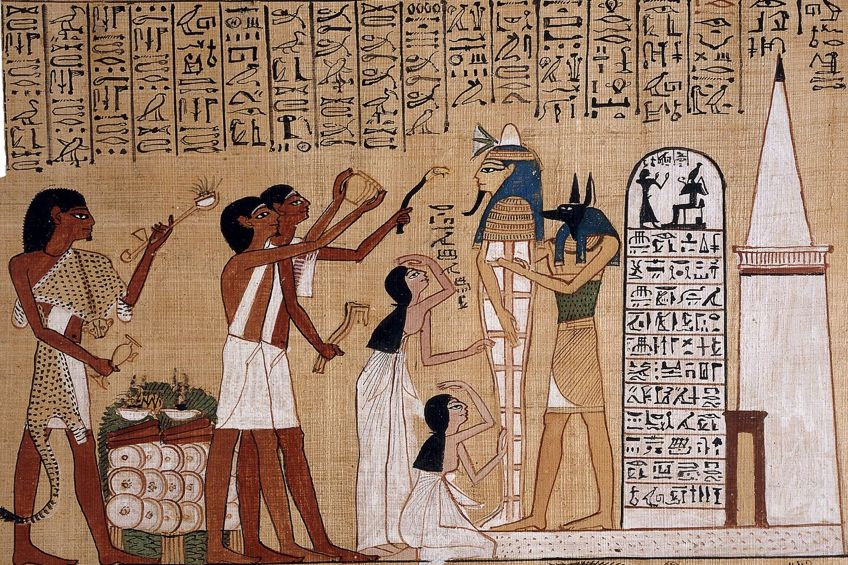
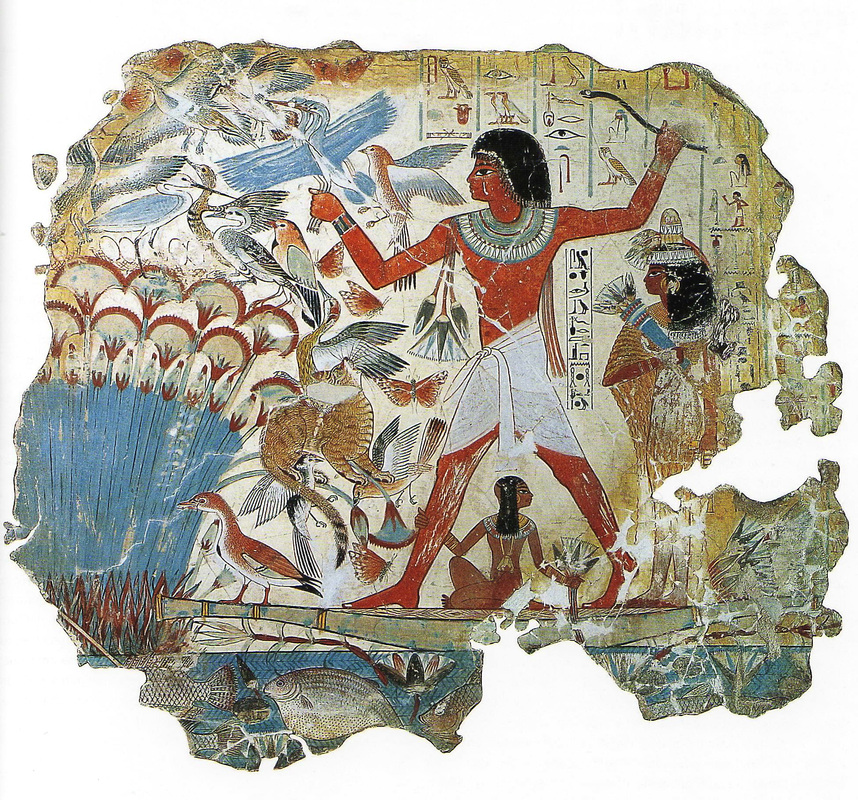
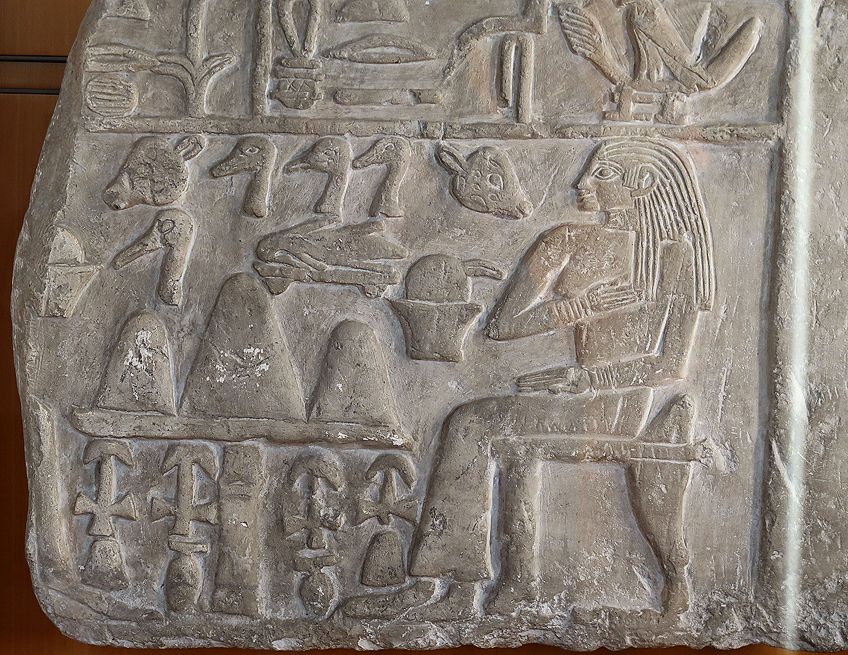
Hierarchical Scale In Egyptian Art. In Egyptian art the size of a figure indicates its relative importance. Used Hierarchical Scale and Fractional Representation Preserved very well. Proportion of Egyptian Art such as profile view hierarchical scale and register lines. 29502775 BCE is a great place to start discussion in a class on Ancient Egypt as it highlights some key ideas.
 Egyptian Art An Exploration Of Ancient Egyptian Art And Its Influences From artincontext.org
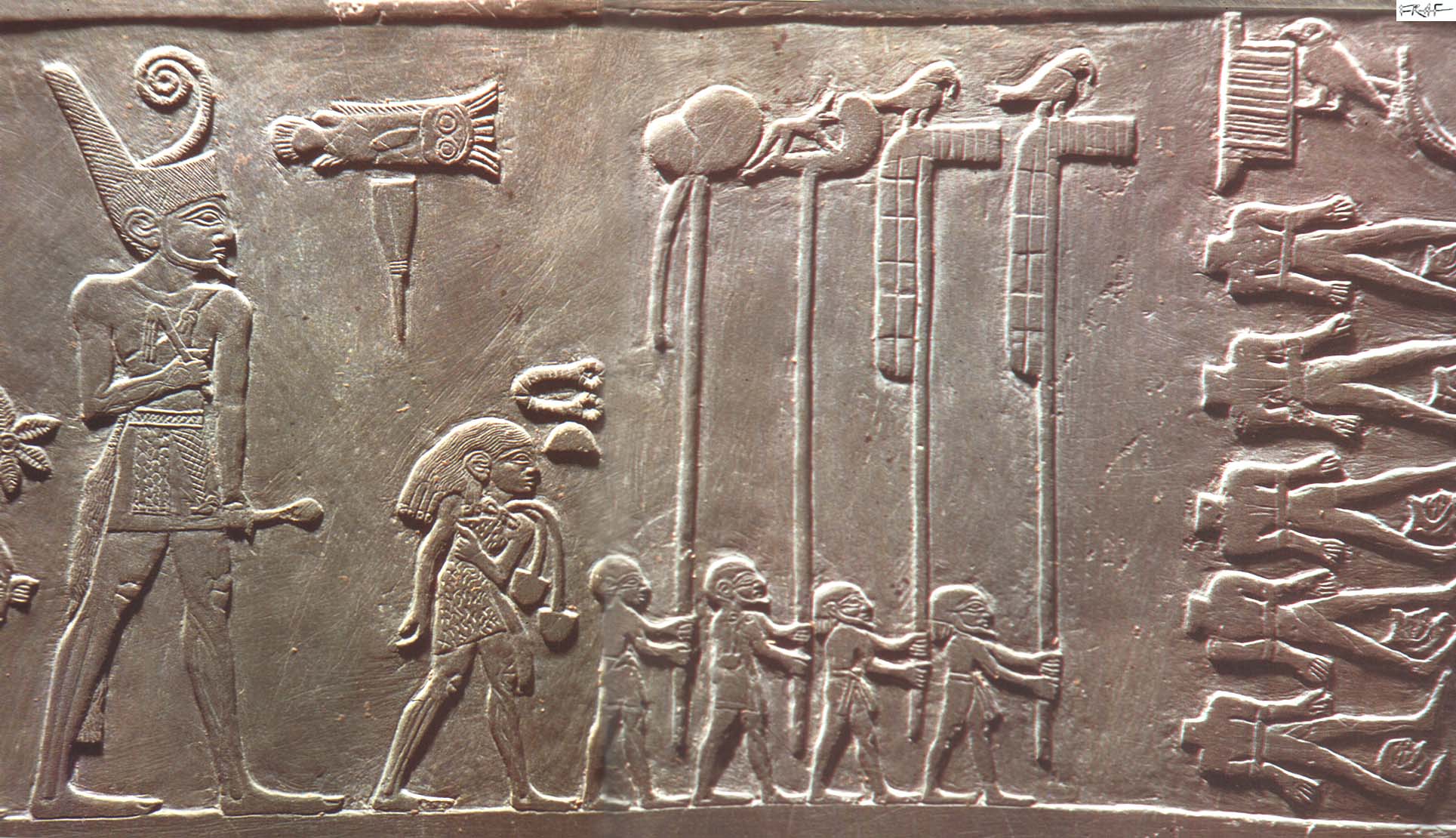
But the Palette of King Narmer was so is for us really important because it is one of the first works of art filled with iconographic characteristics that are going to remain conventional for 3000 years. The smallest figures were servants entertainers animals trees and architectural details. Proportion of Egyptian Art such as profile view hierarchical scale and register lines. The smallest figures were servants entertainers animals trees and architectural details. The two-dimensional and profile figures the scene organized in horizontal zones known as registers the use of the hierarchical scale the symbols the pose of Narmer ready to smash his. What is the sizing of figures by social rank called.
Hierarchical Scale In Egyptian art the size of a figure indicates its relative importance.
But the Palette of King Narmer was so is for us really important because it is one of the first works of art filled with iconographic characteristics that are going to remain conventional for 3000 years. Used Hierarchical Scale and Fractional Representation Preserved very well. Hierarchical scale is a technique used in art mostly in sculpture and painting in which the artist uses unnatural proportion or scale to depict the relative importance of the figures in the artwork In laymans terms The bigger it is the more important Guess which fellow is the Pharoah in this Egyptian artwork. Hierarchical scale - bigger a person is the more important they are. Used for mixing cosmetics. This meant gods or the pharaoh were usually bigger than other figures followed by figures of high officials or the tomb owner.
Source: artincontext.org
Composed in registers divisions horizontal bands with relief sculptures sculptures rising out of material Hieroglyphs spell out Narmers name at top of each side. The political and social hierarchies Narmer is huge hieratic scale leadership and status. Hierarchical Scale In Egyptian art the size of a figure indicates its relative importance. This has also aided in the further understanding of ancient Egyptian artworks as certain attributes exist as significant features that define and set their works apart from others. Palette of King Narmer.
 Source: courses.lumenlearning.com
And Ancient Egyptian visual conventions. The larger the figure the greater his or her importance. Proportion of Egyptian Art such as profile view hierarchical scale and register lines. Egyptian art uses hierarchical proportions where the size of figures indicates their relative importance. The political and social hierarchies Narmer is huge hieratic scale leadership and status.
 Source: pinterest.com
The hieratic scale is a system used to visually communicate power in Egyptian as well as the art of other cultures including the ancient Near East and in medieval European art for example. Hierarchical scale indicates who is important and who is not. But the Palette of King Narmer was so is for us really important because it is one of the first works of art filled with iconographic characteristics that are going to remain conventional for 3000 years. This meant gods or the pharaoh were usually bigger than other figures followed by figures of high officials or the tomb owner. Palette of King Narmer.
 Source: blog.stephens.edu
Society this object visualizes and commemorates the unification of Upper and Lower Egypt and the beginning of Dynastic Egypt. Whether the ancient Egyptians even had a word for it is not of importance because it was simply part of their artistic traditions and practices from the very dawn of their kingdom at the end of the fourth millennium BCE. Egyptian art has made meticulous use of hierarchical proportions which have gone on to characterize and identify their works as important pieces of art. If he stood up he would be at. This means that the pharaoh often appeared noticeably larger than court.
 Source: onlinelibrary.wiley.com
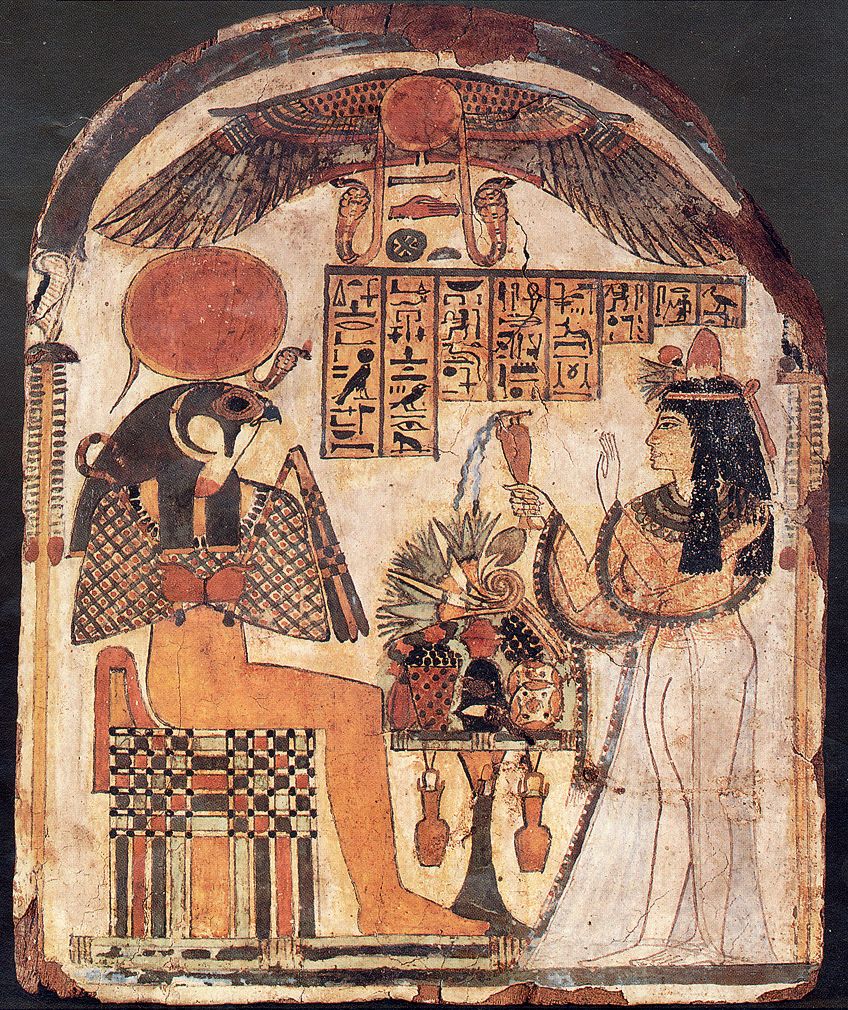
The gods or the divine pharaoh are usually larger than other figures while the figures of high officials or the tomb owner are usually smaller and at the smallest scale are any servants entertainers animals trees and architectural. The larger the figure the greater his or her importance. But the Palette of King Narmer was so is for us really important because it is one of the first works of art filled with iconographic characteristics that are going to remain conventional for 3000 years. In the Palette of Narmer the king is depicted as the largest being on the palette and has additional support to show his importance. The gods or the divine pharaoh are usually larger than other figures while the figures of high officials or the tomb owner are usually smaller and at the smallest scale are any servants entertainers animals trees and architectural.
 Source: 360ideas.com
His enemy he is attacking is comparably smaller than him. This has also aided in the further understanding of ancient Egyptian artworks as certain attributes exist as significant features that define and set their works apart from others. The smallest figures were servants entertainers animals trees and architectural details. Depicted People based on Status of Figures Example. The political and social hierarchies Narmer is huge hieratic scale leadership and status.
 Source: artisticselection.blogspot.com
This means that the pharaoh often appeared noticeably larger than court. The use of differences in size to show relative importance. Proportion of Egyptian Art such as profile view hierarchical scale and register lines. 29502775 BCE is a great place to start discussion in a class on Ancient Egypt as it highlights some key ideas. Depicted People based on Status of Figures Example.
 Source: pinterest.com
This means that the pharaoh often appeared noticeably larger than court. The larger the figure the greater his or her importance. Detail from the Palette of Narmer. Hierarchical scale is a technique used in art mostly in sculpture and painting in which the artist uses unnatural proportion or scale to depict the relative importance of the figures in the artwork In laymans terms The bigger it is the more important Guess which fellow is. Palette of King Narmer.
 Source: artincontext.org
The use of differences in size to show relative importance. In Egyptian art the size of a figure indicates its relative importance. Composed in registers divisions horizontal bands with relief sculptures sculptures rising out of material Hieroglyphs spell out Narmers name at top of each side. What is the sizing of figures by social rank called. Hierarchical scale indicates who is important and who is not.
 Source: courses.lumenlearning.com
But the Palette of King Narmer was so is for us really important because it is one of the first works of art filled with iconographic characteristics that are going to remain conventional for 3000 years. For those who would like to know the explanation its due to a principle modern art historians call hierarchical scaling. Used for mixing cosmetics. The political and social hierarchies Narmer is huge hieratic scale leadership and status. This has also aided in the further understanding of ancient Egyptian artworks as certain attributes exist as significant features that define and set their works apart from others.
 Source: pinterest.com
In the Palette of Narmer the king is depicted as the largest being on the palette and has additional support to show his importance. Composed in registers divisions horizontal bands with relief sculptures sculptures rising out of material Hieroglyphs spell out Narmers name at top of each side. Hierarchical scale - bigger a person is the more important they are. And Ancient Egyptian visual conventions. Proportion of Egyptian Art such as profile view hierarchical scale and register lines.
 Source: artprep.weebly.com
The smallest figures were servants entertainers animals trees and architectural details. Depicted People based on Status of Figures Example. Used for mixing cosmetics. This means that the pharaoh often appeared noticeably larger than court. Proportion of Egyptian Art such as profile view hierarchical scale and register lines.
 Source: artincontext.org
But the Palette of King Narmer was so is for us really important because it is one of the first works of art filled with iconographic characteristics that are going to remain conventional for 3000 years. And Ancient Egyptian visual conventions. Egyptian reliefs and paintings used hierarchical scale a system in which figures are sized according to their importance. Canon in Egyptian art. This has also aided in the further understanding of ancient Egyptian artworks as certain attributes exist as significant features that define and set their works apart from others.
 Source: brainly.com
The larger the figure the greater his or her importance. Egyptian art uses hierarchical proportions where the size of figures indicates their relative importance. Used for mixing cosmetics. Society this object visualizes and commemorates the unification of Upper and Lower Egypt and the beginning of Dynastic Egypt. Significant or important individuals such as pharaohs were depicted as being much larger than any figures in a scene.
 Source: pinterest.com
This has also aided in the further understanding of ancient Egyptian artworks as certain attributes exist as significant features that define and set their works apart from others. Depicted People based on Status of Figures Example. For those who would like to know the explanation its due to a principle modern art historians call hierarchical scaling. The political and social hierarchies Narmer is huge hieratic scale leadership and status. Hierarchical scale indicates who is important and who is not.
 Source: edu.rsc.org
The Narmer Palette c. In Egyptian art the size of a figure indicates its relative importance. The two-dimensional and profile figures the scene organized in horizontal zones known as registers the use of the hierarchical scale the symbols the pose of Narmer ready to smash his. In the Palette of Narmer the king is depicted as the largest being on the palette and has additional support to show his importance. Used for mixing cosmetics.
 Source: pinterest.com
This is particularly clear in scenes recorded on temple walls and in other settings which show the Egyptian king at a much larger scale than his enemies heightening the hierarchical effect of the representation by emphasizing the helplessness of the enemy and the kings superhuman stature. The Narmer Palette c. In the Palette of Narmer the king is depicted as the largest being on the palette and has additional support to show his importance. This meant gods or the pharaoh were usually bigger than other figures followed by figures of high officials or the tomb owner. His enemy he is attacking is comparably smaller than him.
 Source: id.pinterest.com
Society this object visualizes and commemorates the unification of Upper and Lower Egypt and the beginning of Dynastic Egypt. Egyptian art uses hierarchical proportions where the size of figures indicates their relative importance. Hierarchical scale - bigger a person is the more important they are. In the Palette of Narmer the king is depicted as the largest being on the palette and has additional support to show his importance. The larger the figure the greater his or her importance.
This site is an open community for users to do sharing their favorite wallpapers on the internet, all images or pictures in this website are for personal wallpaper use only, it is stricly prohibited to use this wallpaper for commercial purposes, if you are the author and find this image is shared without your permission, please kindly raise a DMCA report to Us.
If you find this site helpful, please support us by sharing this posts to your preference social media accounts like Facebook, Instagram and so on or you can also bookmark this blog page with the title hierarchical scale in egyptian art by using Ctrl + D for devices a laptop with a Windows operating system or Command + D for laptops with an Apple operating system. If you use a smartphone, you can also use the drawer menu of the browser you are using. Whether it’s a Windows, Mac, iOS or Android operating system, you will still be able to bookmark this website.